
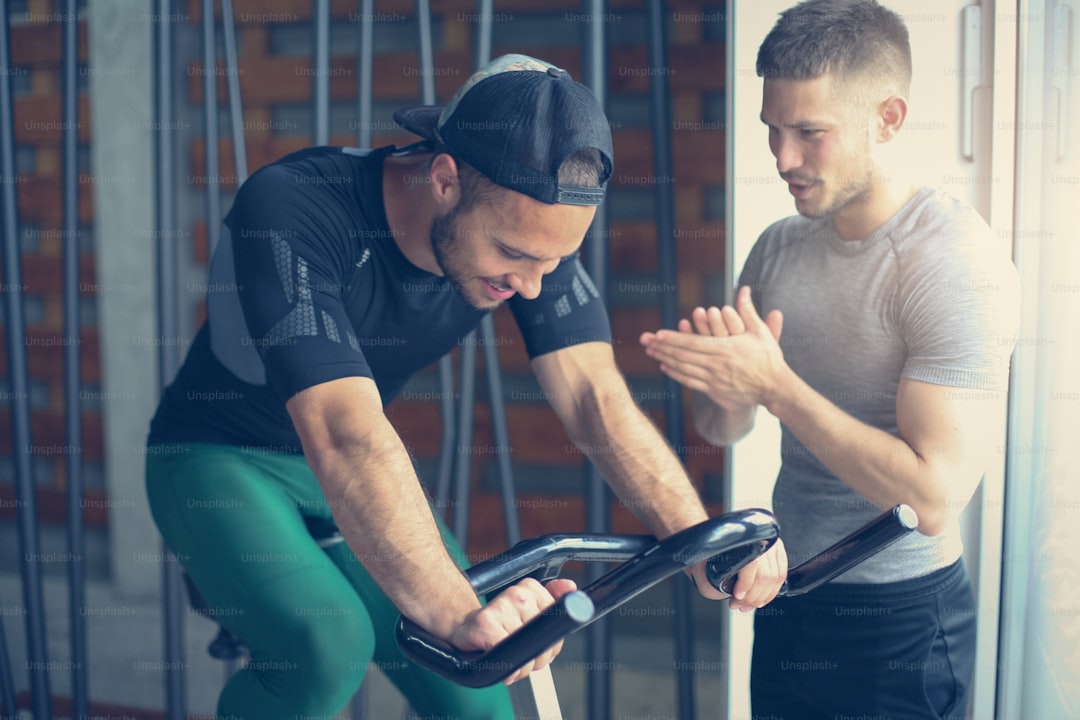
Zwift Race Simulation: 60-Minute Virtual Competition on the Turbo
Session Overview
This 60-minute structured turbo session simulates the demands of a competitive indoor cycling race on Zwift. Unlike steady-state endurance rides, race-format efforts feature sharp accelerations, VO2max efforts, and variable power output — skills that transfer directly to the chaotic early stages of a non-drafting triathlon bike leg, where settling into pace after the swim exit demands rapid power production and recovery. Suitable for intermediate athletes with an established FTP and a smart trainer.
What You’ll Need
- Smart turbo trainer (Wahoo KICKR, Tacx Neo, Elite Turno, or similar)
- Zwift subscription — optional, the session structure can be replicated on any platform or in manual ERG mode
- Cycling shoes and pedals clipped in securely
- Towel and a fan — this session generates significant heat, especially with ERG mode off
Warm-Up (12 minutes)
12 minutes easy at 55–60% FTP, gradually building to 70% FTP over the final 4 minutes. Include 3 × 20-second surges at 110% FTP with 60 seconds easy recovery between each. These short neuromuscular activators prime your fast-twitch fibres for the main set efforts without digging into your energy reserves.
Main Set
The main set mimics a 40-minute Zwift race format with repeated threshold and VO2max efforts followed by a final race simulation push. Switch ERG mode off for the VO2max blocks to allow natural cadence and power variation.
- 2 × 10 minutes at 90–95% FTP (sweet spot/threshold), 3 minutes easy at 60% FTP recovery between each
- 3 × 2 minutes at 110–120% FTP (VO2max), 2 minutes easy at 55% FTP recovery between each
- 1 × 5 minutes all-out race simulation at 100–105% FTP to close the session
Cool-Down (8 minutes)
8 minutes easy spinning at 50–55% FTP. Gradually reduce cadence and resistance. Stay hydrated — heat output on this session is high, particularly if running ERG mode off where power can spike suddenly on virtual climbs. Consume 500–750ml fluid during the session.
Coaching Notes
- Turn ERG mode off for the VO2max blocks — this better replicates race conditions and trains your ability to self-regulate power output.
- A common mistake is riding too hard during the warm-up. Save your top-end for the main set. The warm-up surges should feel brisk but controlled.
- Easier version: reduce the VO2max efforts to 100% FTP and extend recovery to 3 minutes between each.
- Target RPE 7–8 for the threshold blocks and 9–10 for the VO2max spikes. The final 5-minute all-out effort should leave you genuinely spent.
You Might Also Like


Training at your own risk. The information provided is for general guidance only and is not a substitute for professional medical advice. Please consult a doctor before starting any new exercise programme, especially if you have any pre-existing health conditions.