

Sprint Triathlon Simulation Brick: 20km Bike + 3km Run
Session Overview
This 90-minute sprint triathlon simulation brick links a 20km outdoor bike ride at race pace with an immediate 3km run — replicating the exact demand of a sprint triathlon bike and run leg. Designed for intermediate athletes, it teaches your legs to handle the transition from cycling to running, while building the specific conditioning needed to run well off the bike.
What You’ll Need
- Road or TT bike set up for outdoor riding
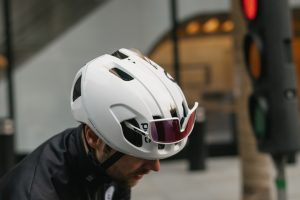
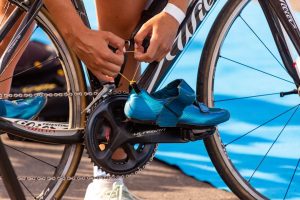
- Helmet and cycling shoes
- Running shoes and race number belt ready for T2
- GPS watch in multisport mode if available
- Nutrition and hydration for the bike — at least one 500ml bottle
- Designated transition spot (car park, driveway, etc.)
Warm-Up (15 minutes)
Ride 10 minutes at easy Zone 2 effort to warm the legs. In the final 5 minutes, include 3 × 30-second accelerations up to sprint race intensity to prime your neuromuscular system. Arrive at your starting point ready to push.
Main Set
Complete the 20km bike and 3km run continuously, treating T2 (the bike-to-run transition) as part of the session — aim for sub-90 seconds. The bike should be hard but controlled (not an all-out TT); the run should start steady and build to race pace.
- 20km outdoor bike at sprint race pace — Zone 4, RPE 7-8, aero position where safe
- T2 transition — rack bike, helmet off, swap to running shoes, belt on
- First 1km run at controlled pace (RPE 6-7) — resist the urge to sprint, let legs adapt
- Final 2km at race effort (RPE 8) — build to full race pace, strong form through the finish
Cool-Down (10 minutes)
After the 3km run, jog easily for 5 minutes to bring your heart rate down. Follow with 5 minutes of static stretching targeting quads, hip flexors, calves, and lower back. Refuel with a carbohydrate and protein snack within 30 minutes.
Coaching Notes
- The “jelly legs” feeling at the start of the run is normal — your cardiovascular system is redirecting blood from cycling muscles to running muscles. Starting conservatively fixes it, not a harder warm-up.
- Practice your T2 as part of this session, not just the bike and run. Every 10 seconds saved in transition is 10 seconds you don’t have to run for.
- Scale down: reduce to 15km bike + 2km run. Scale up: extend to 25km bike + 5km run.
- Log your run pace off the bike and compare it to a standalone 3km effort — the gap will close over the season as your body adapts.
You Might Also Like




Training at your own risk. The information provided is for general guidance only and is not a substitute for professional medical advice. Please consult a doctor before starting any new exercise programme, especially if you have any pre-existing health conditions.