
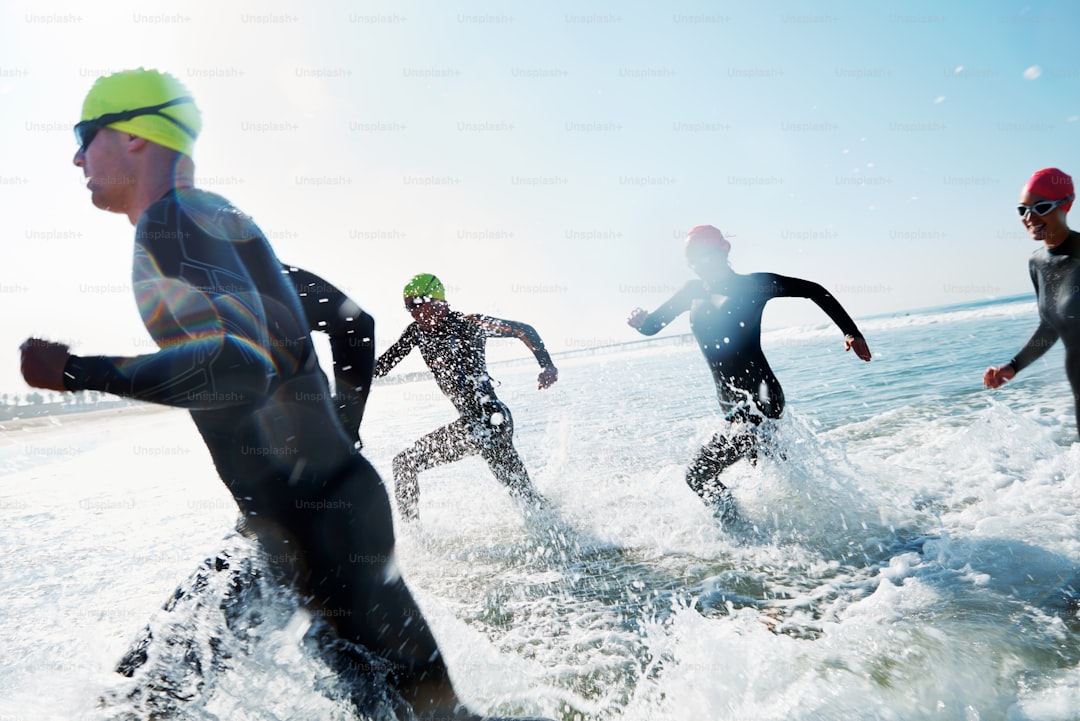
Sprint Triathlon Full Simulation: 400m Swim + 20km Bike + 5km Run
Session Overview
This 90-minute full sprint triathlon simulation covers the complete race format — 400m pool swim, 20km bike, and 5km run — with rapid T1 and T2 transitions. If you have a race in the next six weeks, this is the single most important training session you can do to fine-tune your pacing, transitions, and race-day execution.
What You’ll Need
- Access to a pool (25m or 50m)
- Bike, helmet, and cycling shoes
- Running shoes and race kit
- Transition area set up (towel, race belt, gel and water)
- Nutrition: one gel and a water bottle for the bike leg
Warm-Up (5 minutes)
Swim 100m easy to warm the shoulders, then 2 x 50m at increasing effort — finish the last 25m of each at race pace. Set your transition area before entering the pool so you can move quickly at T1. Have your bike ready to ride and shoes pre-clipped in pedals if you use a flying mount.
Main Set
Complete each leg at race pace — not maximum effort, but harder than comfortable. Simulate race conditions as closely as possible including transitions. Time yourself on each leg and record T1 and T2 durations to identify areas for improvement.
- 400m pool swim at race effort — strong controlled pace, heads-up sighting every 6–8 strokes
- T1: exit pool, dry feet, helmet on, mount bike — target under 90 seconds
- 20km bike at 80–90% threshold power — sustain effort, don’t burn out early
- T2: rack bike, swap shoes, grab race belt — target under 60 seconds
- 5km run at target race pace — push through the first kilometre when your legs feel heavy
Cool-Down (5 minutes)
Walk for 5 minutes immediately after crossing the simulated finish line to bring your heart rate down. Drink a recovery shake or eat a protein and carb snack within 30 minutes. A warm shower within 20 minutes aids muscle recovery significantly.
Coaching Notes
- The first kilometre of the run will always feel terrible — this sensation improves with practice
- Use this session to identify any transition kit issues or nutrition timing problems before race day
- For beginners, reduce the bike to 10km and the run to 2.5km — same concept, less fatigue
- Record your splits: use these as a baseline to measure race-day improvement
You Might Also Like



Training at your own risk. The information provided is for general guidance only and is not a substitute for professional medical advice. Please consult a doctor before starting any new exercise programme, especially if you have any pre-existing health conditions.