
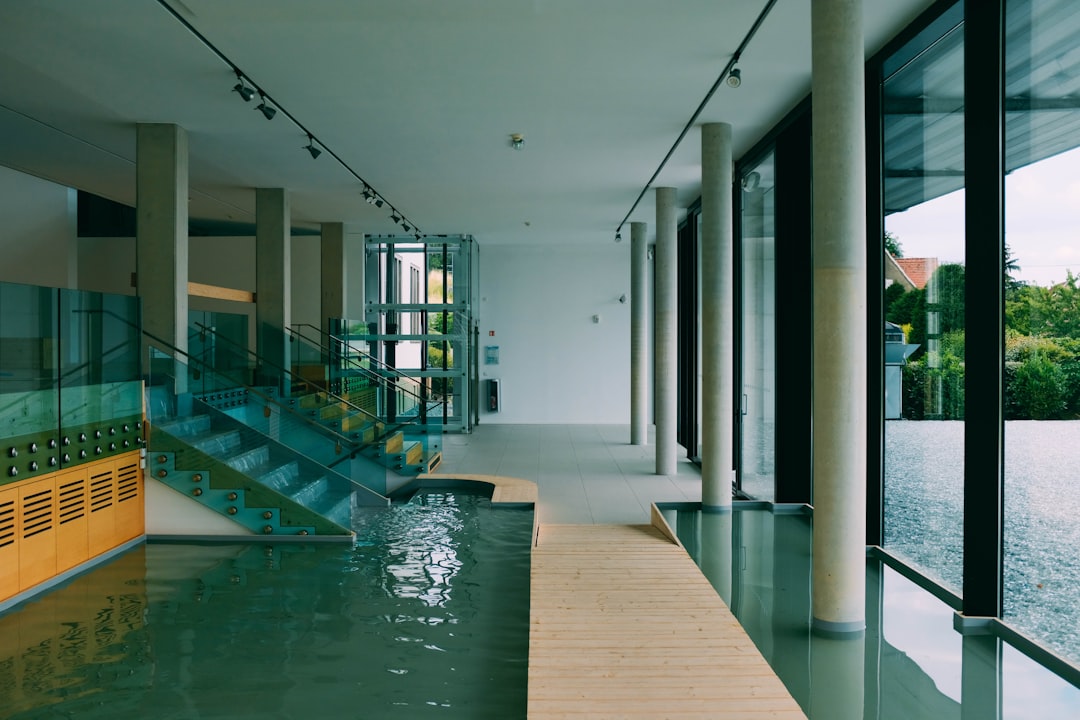
Long Course Pool Swim: 2km Continuous Endurance Set
Session Overview
This 60-minute pool session builds toward a continuous 2km swim — the key endurance benchmark for Olympic distance triathlon preparation. By holding a steady aerobic pace for the full distance, you develop the mental toughness, stroke efficiency and cardiovascular fitness needed to exit the water feeling strong.
What You’ll Need
- Pool access (50m or 25m)
- Swim watch or poolside clock
- Swimming cap and goggles
- Optional: pull buoy for technique focus in warm-up
Warm-Up (10 minutes)
400m easy freestyle, deliberately slow. Focus on breathing pattern — establish your rhythm before the main set. Use the first 200m to find your stroke count and settle into the water. Last 100m of warm-up, build to your intended main set pace.
Main Set
2,000m continuous freestyle swim at a steady aerobic pace. Aim for RPE 5–6 out of 10 — you should feel like you are working but could maintain this effort for much longer if needed. Target negative splits: aim for the second kilometre to be 5–10 seconds faster than the first.
- Pace: 10–15% slower than your CSS (Critical Swim Speed) pace
- Stroke rate: keep it consistent — count strokes per length to monitor fatigue
- Breathing: bilateral every 3 strokes if possible, or your preferred pattern
- Mental checkpoints: break it into 4 x 500m blocks in your head
Cool-Down (5 minutes)
200m very easy backstroke or breaststroke to flush out the lactic acid and bring your heart rate down. Spend 5 minutes stretching your shoulders, chest and lats poolside.
Coaching Notes
- First goal: complete the 2km without stopping — pace is secondary to this milestone
- If you need to stop, take 20 seconds, then continue — do not abandon the effort
- Common mistake: starting too fast in the first 400m when adrenaline is high
- Scale down: complete 1,500m continuous if 2km feels too ambitious right now
- Scale up: add a set of 4 x 100m at CSS pace after the main set for advanced swimmers
You Might Also Like



Training at your own risk. The information provided is for general guidance only and is not a substitute for professional medical advice. Please consult a doctor before starting any new exercise programme, especially if you have any pre-existing health conditions.