
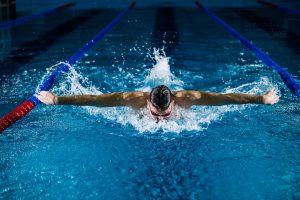
5×400m CSS Speed Block: Pool Race Pace Session
Session Overview
This 50-minute pool session targets your Critical Swim Speed (CSS) — the sustainable threshold pace that builds aerobic capacity and race endurance. Five 400m reps at CSS develop the ability to hold form and pacing under fatigue, making it ideal for Olympic and 70.3 triathletes in the early race season.
What You’ll Need
- Swim goggles and cap
- Tempo Trainer or waterproof GPS watch
- Pool lane (25m or 50m)
- Pull buoy (optional, warm-up only)
Warm-Up (10 Minutes)
Start easy and build the intensity gradually before hitting CSS efforts.
- 400m easy freestyle — long, relaxed strokes, focus on hip rotation
- 4×50m drills: alternate fingertip drag and catch-up drill (15s rest each)
- 4×25m build from easy to threshold pace (15s rest each)
Main Set
Swim each rep at your CSS pace — the speed you established in a CSS test (typically your T-pace from a 400m time trial). If you haven’t done a CSS test, aim for a pace you could theoretically hold for 30–40 minutes continuously. The 30-second rest is short by design: you should feel genuine effort on each rep.
- 5×400m at CSS pace
- Rest: 30 seconds between each 400m rep
- Target: no more than 3 seconds variation in your 100m splits across each rep
- Focus on consistent stroke rate and strong catch through all five reps
Cool-Down (10 Minutes)
Drop the intensity completely and let your body recover. Use different strokes to flush lactic acid and restore mobility.
- 200m easy mixed stroke — alternate 50m freestyle and 50m backstroke
- 200m pull buoy only — focus on hip rotation and relaxed breathing
Coaching Notes
- If you fade badly on reps 4–5, your CSS target is too fast — adjust by 2s per 100m and retest
- Use a Tempo Trainer beeper to hold your target stroke rate and stay honest
- Record each 100m split to identify where pacing drifts — most swimmers fade in the third 100m
- This session works well as a race sharpener 10–14 days before a goal event
- Make it easier: reduce to 4×400m or extend rest to 45 seconds
You Might Also Like



Training at your own risk. The information provided is for general guidance only and is not a substitute for professional medical advice. Please consult a doctor before starting any new exercise programme, especially if you have any pre-existing health conditions.