Wahoo KICKR Headwind Smart Fan Review 2026: Smarter Cooling for Serious Turbo Training
Why a Smart Fan Matters for Turbo Training
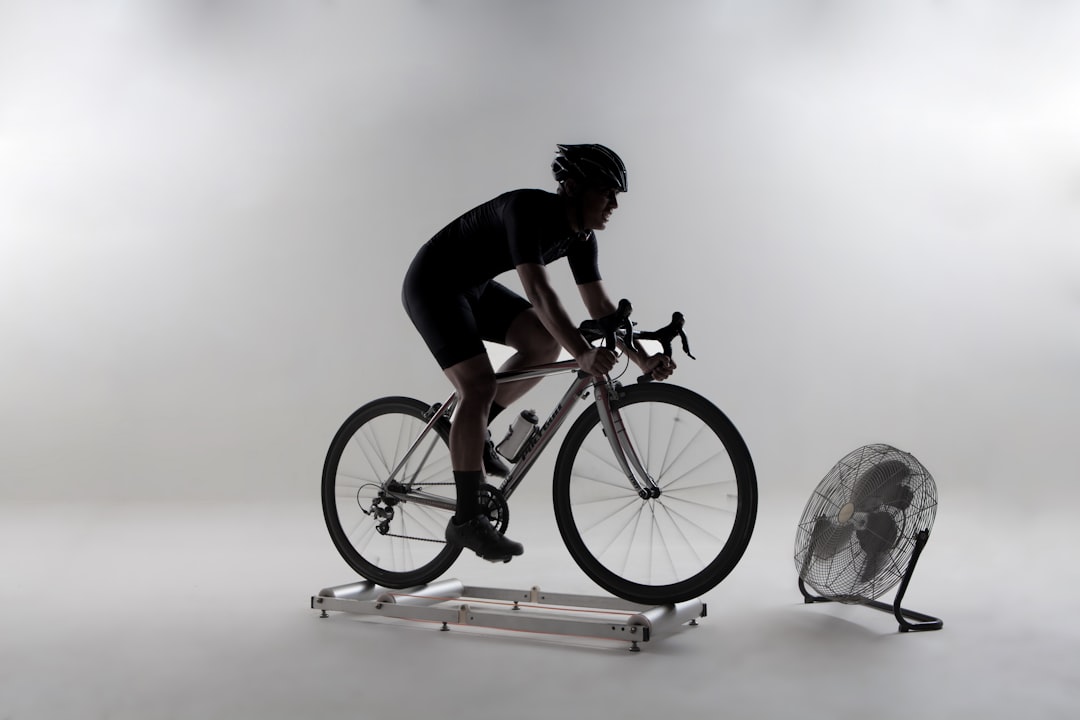
Indoor cycling without airflow is physiologically compromised. Core body temperature rises faster indoors than outdoors because there’s no natural convective cooling from forward movement — leading to early cardiac drift, reduced power output, and sessions that feel harder than they should. The Wahoo KICKR Headwind solves this with sensor-controlled airflow that scales automatically with your effort level, delivering up to 48kph of targeted airflow shaped specifically for a cyclist’s body position. The March 2026 firmware update added meaningful new intelligence to a product that was already excellent.
Key Features
- Targeted airflow pattern — shaped to match a rider’s body position rather than blasting generic forward air; significantly more effective than standard pedestal fans for cyclists
- Speed Mode — pairs to your KICKR smart trainer or speed sensor, scaling fan speed directly with bike speed
- Heart Rate Mode — pairs to an ANT+ HR monitor to increase airflow as effort rises
- Adaptive Cooling Mode (March 2026) — combines power and heart rate trends to pre-emptively ramp airflow before you hit maximum effort, so cooling is there when you need it rather than lagging behind
- CORE body temperature integration (March 2026) — pairs with the CORE sensor for thermal management based on actual core temperature readings
- KICKR RUN integration (March 2026) — connects to a treadmill for automatic fan adjustment during indoor running sessions
- 30mph+ maximum airflow — powerful enough to genuinely cool during VO2max intervals in warm indoor environments
- 4 manual speed settings — full app control via the Wahoo Fitness app
Performance in Practice
The Headwind genuinely changes the indoor training experience. In Speed Mode paired to a KICKR, airflow ramps exactly as you’d expect — near-zero at easy spinning pace, building steadily as power rises, and maxing out during VO2max efforts. The result is a more realistic simulation of outdoor conditions that reduces the psychological difficulty of hard turbo sessions.
The March 2026 Adaptive Cooling Mode update is the most significant firmware improvement the Headwind has received. Rather than reacting to your current effort, the algorithm anticipates your cooling needs from power and HR trajectory — the fan ramps up before you hit peak intensity, so airflow is already there when you need it. In warm indoor training environments (above 20°C), this measurably reduces perceived exertion during threshold and VO2max work.
Our Top Pick
Best Smart Cycling Fan: Wahoo KICKR Headwind
The Headwind sits at the premium end of the indoor cycling fan market, but for athletes who train seriously indoors with a quality smart trainer — particularly through summer months — the performance justification is clear. The March 2026 update has strengthened an already strong product. Standard fans costing £30–60 provide basic airflow but lack the smart integration that makes the Headwind a genuine training tool rather than a comfort accessory.
Buying Tips
- The Headwind pairs with any ANT+ HR monitor or speed sensor — not exclusively Wahoo hardware, though it integrates most deeply with KICKR trainers
- Position it 1–2 metres in front of and slightly below face level for optimal airflow across chest and head in an aero position
- To unlock Adaptive Cooling Mode with actual temperature data, you’ll need a CORE sensor purchased separately
Care and Maintenance
Wipe down the fan grill monthly with a damp cloth to prevent dust reducing airflow efficiency. Store upright and away from direct sunlight. Firmware updates are delivered wirelessly via the Wahoo Fitness app — check quarterly to access the latest smart features.
This article contains affiliate links. If you purchase through these links, we may earn a small commission at no extra cost to you. This helps support The Triathlete.