
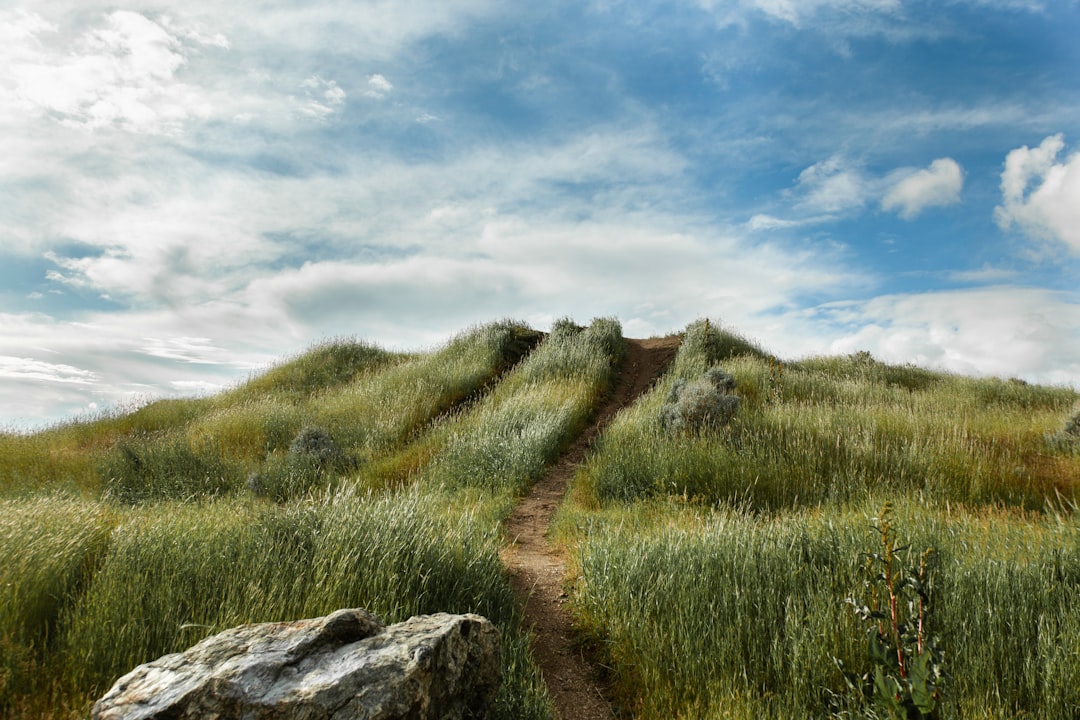
Power-Hike Cross-Training Session for Triathletes
Session Overview
Power-hiking — fast, purposeful walking with an emphasis on hills — is one of the easiest ways to add aerobic volume in the off-season without the impact load of running. It builds hip and calf strength on the climbs, gives your legs a break from repetitive running mechanics, and works well as a genuine cross-training session rather than just “a run replacement.”
What You’ll Need
- Trail or hiking shoes with good grip (trail running shoes work well)
- A route with genuine elevation change — hills, not flat ground
- Poles (optional) — useful for steeper sustained climbs, not necessary on moderate terrain
Warm-Up (8 minutes)
Start with 8 minutes of easy, flat walking to raise your heart rate gradually and loosen up before hitting any climbs.
Main Set (42 minutes)
Aim for a route with rolling or sustained hills. On climbs, drive through your legs with purpose — shorter, quicker steps rather than long strides — and use your arms to help drive momentum. On descents and flats, settle into a brisk but comfortable walking pace.
- Climbs: push the effort to roughly 70-80% of max heart rate — hard enough to feel it in your legs and lungs, not an all-out effort.
- Flats and descents: settle back to an easy, conversational pace to recover before the next climb.
- If your route is flat, substitute steep sections with a weighted pack or a stair climb/hill repeat structure instead.
- Aim for continuous movement throughout — the value here is sustained aerobic time, not interval-style rest.
Cool-Down (10 minutes)
Finish with 10 minutes of easy flat walking, followed by a few minutes of calf, hip flexor and hamstring stretching — the hill work loads these areas more than flat running does.
Coaching Notes
- This session is genuinely low-impact — a useful option if you’re managing a running niggle but still want meaningful aerobic and leg-strength stimulus.
- Don’t be tempted to jog the climbs; the point is hiking-specific hip and calf loading, which running doesn’t train in the same way.
- Scale down: shorten to 30 minutes total and pick gentler terrain if you’re new to hill hiking or returning from injury.
- Scale up: add a loaded pack (5-10kg) for extra strength stimulus, or extend to 90 minutes on a longer trail route.
- RPE guidance: climbs should feel like a 6-7/10 effort; flats and descents should feel easy, around 3-4/10.
You Might Also Like





Training at your own risk. The information provided is for general guidance only and is not a substitute for professional medical advice. Please consult a doctor before starting any new exercise programme, especially if you have any pre-existing health conditions.