
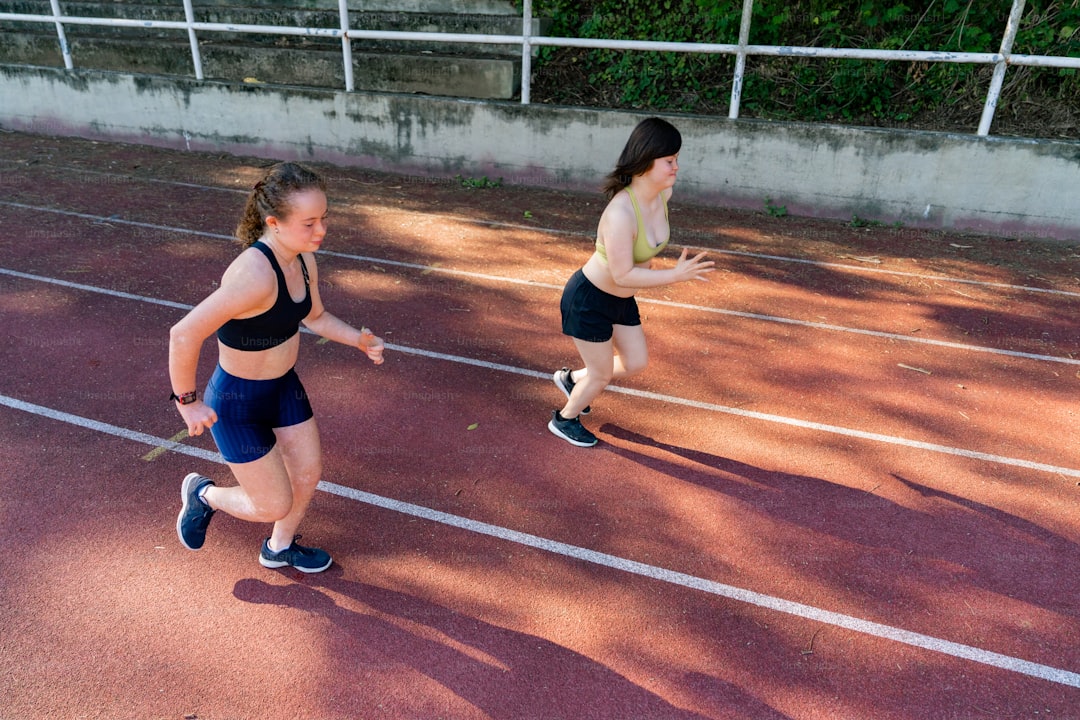
Fartlek Run: Fun Speed Work for Triathletes
Session Overview
This 45-minute fartlek run session uses unstructured speed play to build raw running speed, aerobic capacity, and mental toughness — all essential qualities for triathlon racing. Fartlek, Swedish for “speed play”, lets you vary your effort based on feel, making it fun, flexible, and surprisingly effective. Ideal for intermediate runners looking to break out of a one-pace rut.
What You’ll Need
- Running shoes suitable for road or trail
- GPS watch or running app (optional but helpful)
- Water bottle if running in warm conditions
Warm-Up (8 minutes)
Begin with 8 minutes at an easy conversational pace — this is Zone 2, where you can hold a full sentence without gasping. Follow with 4 x 20-second strides at a controlled, smooth effort, recovering with 40 seconds of easy jogging between each. By the end of your warm-up, your legs should feel loose and ready to work.
Main Set (30 minutes)
The main set uses landmarks or time-based surges to vary your pace organically. Choose a route with variety — a park, a trail, or a quiet road with some features like lamp posts, trees, or bends. Aim for 8–12 surges of varying lengths throughout the 30 minutes.
- Short surges: 20–30 seconds at 5K race effort (hard but sustainable), recover with 60–90 seconds easy jog × 4
- Medium surges: 60–90 seconds at 10K pace (comfortably hard), recover with 2 minutes easy × 3
- Long surge: 2–3 minutes at half-marathon effort (steady and controlled), recover with 3 minutes easy × 1
- Fill remaining time with easy jogging between efforts — there are no strict intervals, listen to your body
Cool-Down (7 minutes)
Bring your effort right down to an easy walk-jog for 5 minutes, then finish with 2 minutes of dynamic stretching — leg swings, hip circles, and quad holds. This helps flush lactate and prepare your body for recovery.
Coaching Notes
- Don’t chase a specific pace — fartlek is about effort and feel. Use RPE: surges should feel like 7–8/10, easy jogging at 4–5/10
- Avoid going too hard too early; save your biggest efforts for the middle of the main set
- Easier version: reduce surges to 5–6 and keep them shorter (20–30 seconds only)
- Harder version: add 2–3 extra medium surges or extend the long surge to 4 minutes
- Great session to run the day before a rest day, or midweek between two easier sessions
You Might Also Like





Training at your own risk. The information provided is for general guidance only and is not a substitute for professional medical advice. Please consult a doctor before starting any new exercise programme, especially if you have any pre-existing health conditions.