
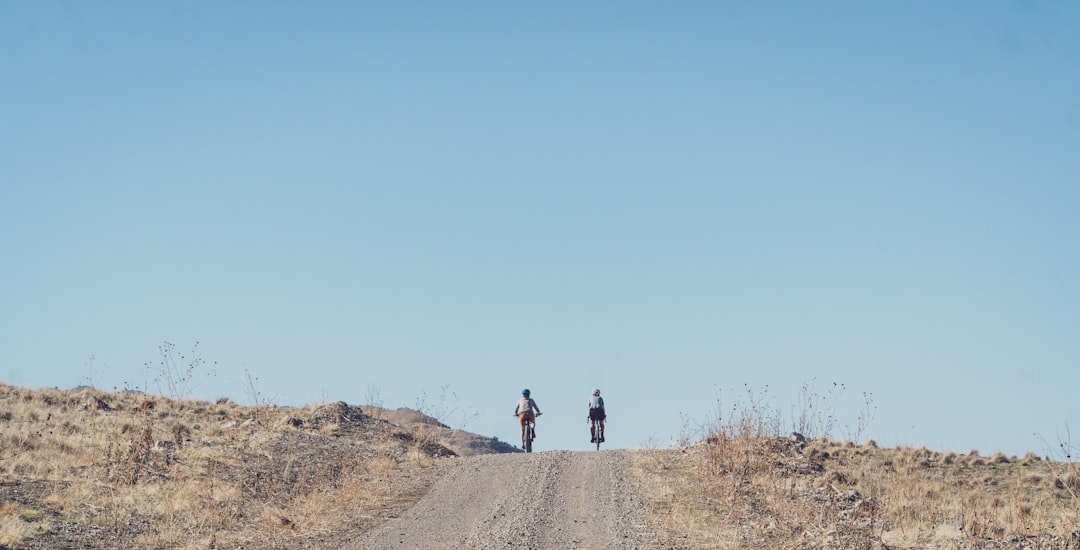
Plyometric Jump Start Turbo Sprint Session
Session Overview
This turbo session uses explosive jump-start efforts to develop fast-twitch muscle recruitment and neuromuscular power — the kind of raw speed that decides sprint triathlon bike legs and sets up a strong run off the bike. Best for intermediate and advanced athletes during race season.
What You’ll Need
- Smart turbo trainer or direct-drive trainer
- Fan — these efforts generate significant heat
- Water or sports drink
- ERG mode OFF — use resistance mode so you control gear and power output
Warm-Up (12 minutes)
Ride 8 minutes at Zone 2 (easy, conversational pace), then complete 4 x 10-second accelerations ramping from Zone 3 to near maximal effort with 30 seconds easy pedalling between each. This primes your neuromuscular system for the explosive efforts ahead.
Main Set
Perform 10 x jump-start efforts with full recovery between each:
- Effort format: Come to near-stationary (30–40 rpm), then accelerate explosively for 15 seconds at 150%+ of FTP. Stand out of the saddle for the first 5–8 seconds.
- Recovery: 90 seconds easy Zone 1 spinning after each effort.
- Total reps: 10 (total main set approximately 18 minutes).
- After rep 5: Take 3 minutes easy Zone 2 before continuing with reps 6–10.
- Gear choice: Select resistance that challenges you but allows rapid acceleration — avoid over-gearing that stalls the flywheel.
Cool-Down (10 minutes)
10 minutes easy Zone 1 pedalling at high cadence (90–100 rpm). These efforts are demanding on the neuromuscular system even at low total volume — do not skip the cool-down.
Coaching Notes
- Peak power, not duration, is the goal — each effort must be under 20 seconds to ensure maximum output.
- Rest fully between reps. If power drops noticeably rep-by-rep, extend recovery by 30 seconds.
- Beginner modification: reduce to 6 reps and extend recovery to 2 minutes.
- Run this session once per week maximum — quality over quantity.
- RPE: the final 10 seconds of each effort should feel like a 9–10 out of 10.
You Might Also Like

Training at your own risk. The information provided is for general guidance only and is not a substitute for professional medical advice. Please consult a doctor before starting any new exercise programme, especially if you have any pre-existing health conditions.