
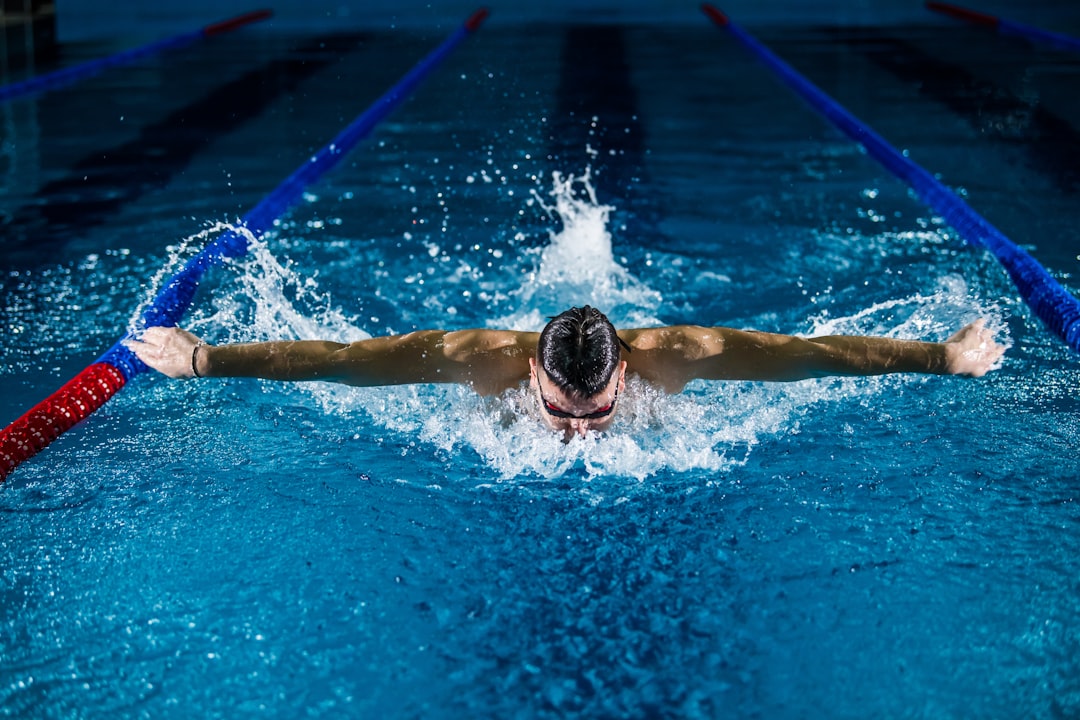
4000m Continuous Pool Endurance Swim
Session Overview
This 4000m continuous pool swim builds the sustained aerobic endurance needed for long-course triathlon racing. Designed for advanced swimmers comfortable covering 3000m or more in a single session, it develops the pacing discipline, fat-burning efficiency and mental resilience that define strong open-water performances over Ironman 3.8km distances.
What You’ll Need
- 50m or 25m pool
- Pace clock or waterproof watch
- Pull buoy (optional — for the third 1000m if form degrades)
Warm-Up (15 minutes)
Swim 600m easy at Zone 1-2. Mix freestyle with 200m of drill work: 2 x 100m alternating 25m fingertip drag / 25m normal freestyle. Finish with 6 x 25m build (each one slightly faster than the last) to prime your stroke, with 30 seconds rest between each.
Main Set
Swim 4000m continuously at a steady, controlled pace — target Zone 2 to Zone 3 (approximately CSS+8 to CSS+12 seconds per 100m). The aim is to hold consistent pace throughout, not to negative-split aggressively.
- 1000m: Establish your rhythm — settle into a pace you could theoretically hold all day
- 2000m: Check stroke rate and ensure breathing is relaxed and bilateral
- 3000m: If form is breaking down, use the pull buoy for 500m of this block
- 4000m: Maintain pace — resist the temptation to surge in the final 200m
Cool-Down (10 minutes)
Swim 400m easy backstroke or very easy freestyle to flush lactate and reduce shoulder tension. Focus on long, slow strokes and relaxed breathing. Stretch shoulders and hip flexors poolside for five minutes after exiting.
Coaching Notes
- Total session volume including warm-up and cool-down: approximately 5000m
- Target RPE for the main set: 6-7/10 — conversational breathing should just be possible
- If you cannot yet complete 4000m continuously, split into 2 x 2000m with 2 minutes rest and build toward the full set over several weeks
- Bilateral breathing (every three strokes) is recommended for even shoulder loading over this distance
- Allow 48 hours recovery before the next hard swim session
You Might Also Like

Training at your own risk. The information provided is for general guidance only and is not a substitute for professional medical advice. Please consult a doctor before starting any new exercise programme, especially if you have any pre-existing health conditions.