
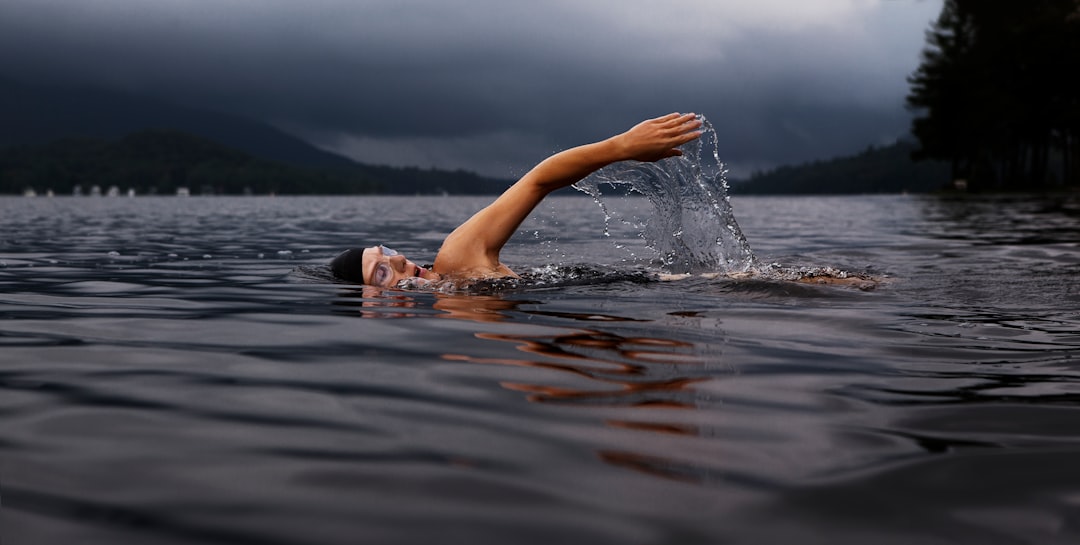
Open Water: 4×10-Minute Sustained Pace Session
Session Overview
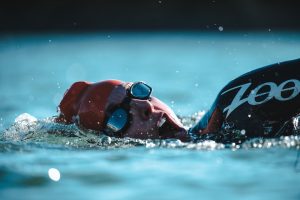
This open water session replaces distance targets with timed efforts — four rounds of 10 minutes at a sustained race-specific pace — making it ideal for venues where precise distance measurement is difficult. It builds aerobic endurance and even-pacing discipline needed for triathlon swim legs of any distance.
What You’ll Need
- Open water venue (lake, reservoir, or sheltered sea)
- Wetsuit (if water temperature below 24°C)
- Safety tow float — mandatory for solo open water swimming
- Swim watch with water mode to track intervals
- Bright swim cap for visibility
Warm-Up (10 minutes)
Swim easily for 10 minutes at a relaxed effort, focusing on long strokes, bilateral breathing, and regular sighting every 8–10 strokes. Use the warm-up to orientate yourself to the venue’s buoy markers and conditions.
Main Set
Swim 4 rounds of 10 minutes at your target race pace — RPE 7 for sprint distance, RPE 6–7 for Olympic distance. Rest 2 minutes between each round (float and breathe, don’t exit the water). Use buoys or landmarks to track your route and measure consistency across reps.
- 4×10 minutes at race pace (RPE 6–7)
- 2 minutes easy floating recovery between efforts
- Sight every 6 strokes during intervals to simulate race habit
- Total swim time: ~50 minutes including rests
Cool-Down (5 minutes)
Swim 5 minutes very easy back to your entry point, focusing on breathing rhythm and slow, efficient strokes. Exit carefully and change promptly — core temperature drops quickly in open water.
Coaching Notes
- Always swim with a partner or near a supervised venue — never alone in open water
- Easier: reduce to 4×7 minutes or extend rests to 3 minutes
- Harder: reduce rest to 90 seconds or extend to 5×10 minutes
- Compare your pace per 100m across all four intervals — consistency wins races
- UK open water in late May can still be 12–15°C — check temperature before entering
You Might Also Like

Training at your own risk. The information provided is for general guidance only and is not a substitute for professional medical advice. Please consult a doctor before starting any new exercise programme, especially if you have any pre-existing health conditions.