
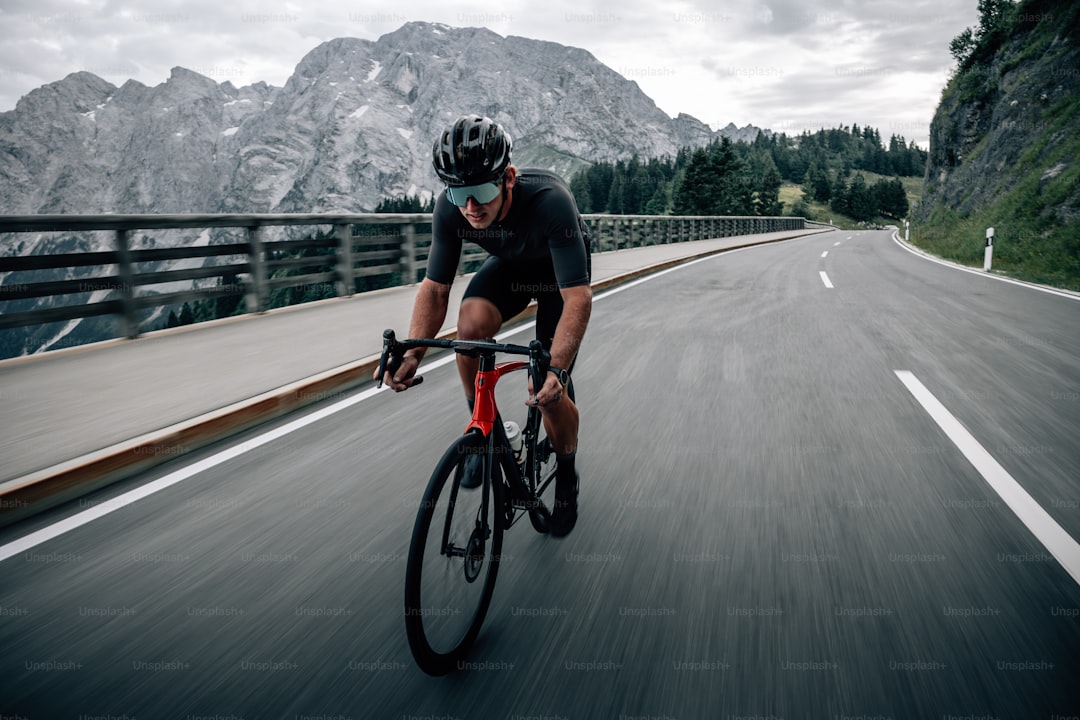
Lactate Clearance Turbo: 5×6-Minute Hard Efforts with Active Recovery
Session Overview
This lactate clearance session trains your body to process and flush lactate during active recovery periods — a critical skill for race situations where you have surged hard on a climb and need to recover quickly without losing time. Five six-minute blocks at 105–110% FTP are separated by 4-minute active recovery at 60% FTP, systematically building your ability to go hard, recover fast, and go hard again.
What You’ll Need
- Turbo trainer or smart trainer
- Power meter or smart trainer power estimate
- Heart rate monitor (recommended)
- Fan for cooling — this session generates significant heat output
- Electrolyte drink and water
Warm-Up (15 minutes)
15 minutes at 60–65% FTP, gradually building to 75% FTP in the final 3 minutes. Include 2×20-second accelerations at 120% FTP, with 2 minutes easy between them. These short openers prime your fast-twitch fibres without fatiguing you for the main set.
Main Set
5 rounds of 6 minutes at 105–110% FTP, followed by 4 minutes active recovery at 60% FTP. Do not stop pedalling during the recovery — the lactate clearance happens when you keep moving.
- Round 1: 6 min @ 105% FTP → 4 min @ 60% FTP
- Round 2: 6 min @ 107% FTP → 4 min @ 60% FTP
- Round 3: 6 min @ 108% FTP → 4 min @ 60% FTP
- Round 4: 6 min @ 108% FTP → 4 min @ 60% FTP
- Round 5: 6 min @ 110% FTP (max effort) → 4 min @ 60% FTP
Cool-Down (10 minutes)
Easy 10 minutes at 55–60% FTP, spinning 95–100rpm to flush residual lactate. Start refuelling immediately — this session has a high energy cost and recovery nutrition is critical within 30 minutes of finishing.
Coaching Notes
- The recovery intervals are active work, not rest — 60% FTP clears lactate far more effectively than stopping completely.
- If you don’t have a power meter, target 80–85% max HR for hard intervals and 60% max HR for recovery.
- This is an advanced session — allow 48+ hours before your next hard workout.
- To make it easier: reduce to 4 rounds, or lower intensity to 102–105% FTP.
- Most effective when used 6–12 weeks before your A-race as a high-end aerobic capacity builder.
You Might Also Like





Training at your own risk. The information provided is for general guidance only and is not a substitute for professional medical advice. Please consult a doctor before starting any new exercise programme, especially if you have any pre-existing health conditions.