
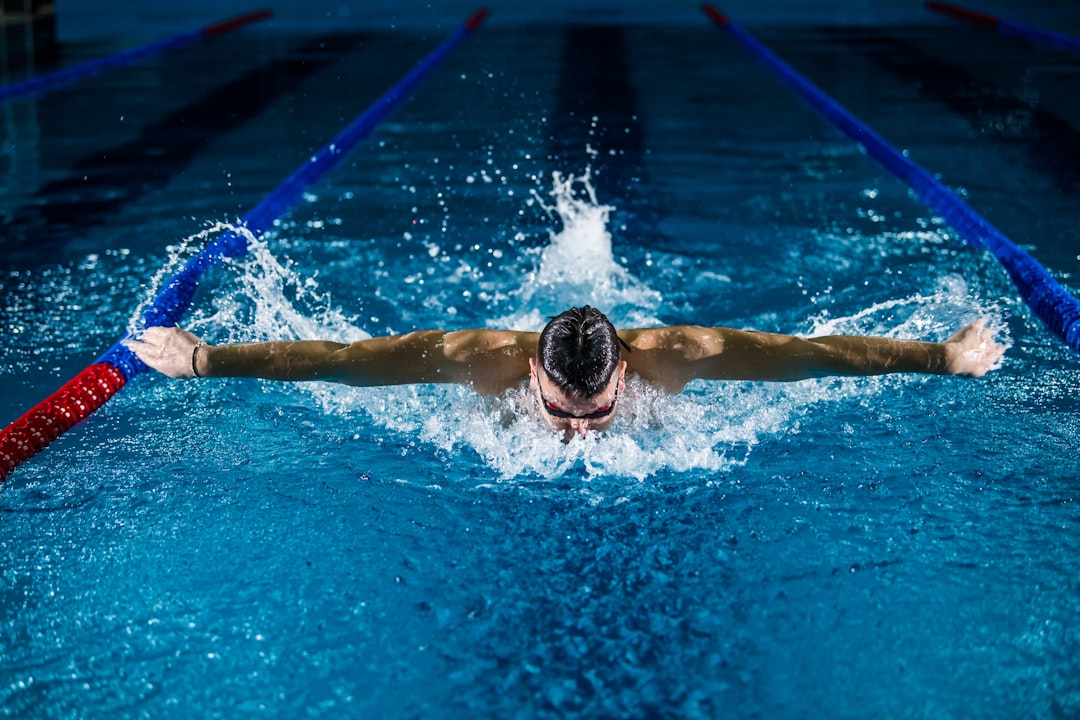
Ascending Speed Pyramid: 100-200-400-200-100m Pool Swim Session
Session Overview
This ascending and descending pyramid session challenges your speed endurance at every distance, from sharp 100m sprints through to a sustained 400m threshold effort and back down again. Ideal for intermediate pool swimmers looking to develop pace awareness and the ability to shift gears during race-pace efforts, this 45-minute session is a staple of Olympic-distance build phases.
What You’ll Need
- 25m or 50m pool
- Swim watch or poolside clock
- Swim cap and goggles
- Pull buoy (optional, for warm-up variety)
Warm-Up (10 minutes)
Swim 400m easy freestyle, mixing in 2×50m as side kick drill to open your hips. Follow with 4×25m build — starting at Zone 1 effort and reaching 85% by the final 25m. Rest 20 seconds between each build rep.
Main Set
Complete the full pyramid in order with 30 seconds rest between each effort. The ascending phase (100–200–400) gets progressively longer and slightly lower in intensity. The descending phase (200–100) snaps back to race-pace sharpness. Total main set: 1000m.
- 100m — all-out sprint, RPE 9/10, rest 30s
- 200m — 5K race pace, RPE 7-8/10, rest 30s
- 400m — CSS threshold pace, RPE 7/10, rest 45s
- 200m — 5K race pace, RPE 7-8/10, rest 30s
- 100m — all-out sprint, RPE 9/10, rest 30s
Cool-Down (5 minutes)
Easy 200m backstroke or freestyle at Zone 1, focusing on long, relaxed strokes and controlled breathing. Shake out your shoulders between lengths to release tension from the sprint efforts.
Coaching Notes
- The 400m is the hardest sustained effort — treat it as your CSS test pace, not a sprint.
- Don’t blow up on the opening 100m: you will pay for it on the 400m. Start controlled and accelerate.
- To make it easier: extend rest to 45s between all efforts, or drop the second 100m.
- To make it harder: repeat the full pyramid twice with 90 seconds rest between pyramids.
- RPE targets: 100m = 9/10, 200m = 7-8/10, 400m = 7/10, then mirror on the descent.
You Might Also Like

Training at your own risk. The information provided is for general guidance only and is not a substitute for professional medical advice. Please consult a doctor before starting any new exercise programme, especially if you have any pre-existing health conditions.