

Sprint Duathlon Simulation: 5km Run + 20km Bike + 2.5km Run
Session Overview
This 90-minute session replicates the classic sprint duathlon format: a 5km opening run, a 20km bike leg and a 2.5km closing run. Whether you’re preparing for a duathlon event or simply want a high-quality brick session without the swim, this simulation develops the specific transitions, pacing judgment and run-off-bike adaptation that races demand.
What You’ll Need
- Road bike or TT bike with race shoes
- Running shoes (set up for quick changes)
- Transition area (towel, helmet, sunglasses laid out)
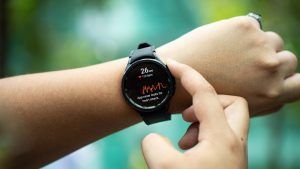
- GPS watch for pace and heart rate tracking
- Electrolyte drink for the bike leg
Warm-Up
No formal warm-up is needed — the opening run IS the warm-up in a duathlon. Start conservatively and build into your race pace.
Main Set
Execute each leg at race intensity. The transitions (T1 and T2) are part of the session — practise them with purpose. Time each leg and transition separately so you can track progress over the season.
- Run 1 (5km): Start at Zone 2–3 for the first kilometre, build to race effort (Zone 4) for km 3–5
- T1: Helmet on, shoes on (or clip into pedals), mount bike — aim for under 60 seconds
- Bike (20km): Hold your 10km TT power — hard but sustainable. Aero position throughout.
- T2: Dismount, rack bike, swap shoes — aim for under 45 seconds
- Run 2 (2.5km): This will feel hard immediately — trust your legs and hold race pace
Cool-Down (10 Minutes)
Walk and jog easily for 10 minutes after the final run to bring your heart rate down safely.
- 10 minutes easy walk/jog + static stretches for quads, hamstrings and hip flexors
Coaching Notes
- Pacing the opening run is the most common duathlon mistake — going too fast costs you on the bike and final run
- Keep your cadence above 85rpm on the bike to preserve run legs — don’t grind
- The closing 2.5km run will feel very different from a standalone run — your quads will be depleted
- Make it harder: extend the bike to 25km or push the second run harder than the first
- Make it easier: reduce the opening run to 3km and keep bike at tempo rather than race pace
You Might Also Like

Training at your own risk. The information provided is for general guidance only and is not a substitute for professional medical advice. Please consult a doctor before starting any new exercise programme, especially if you have any pre-existing health conditions.