
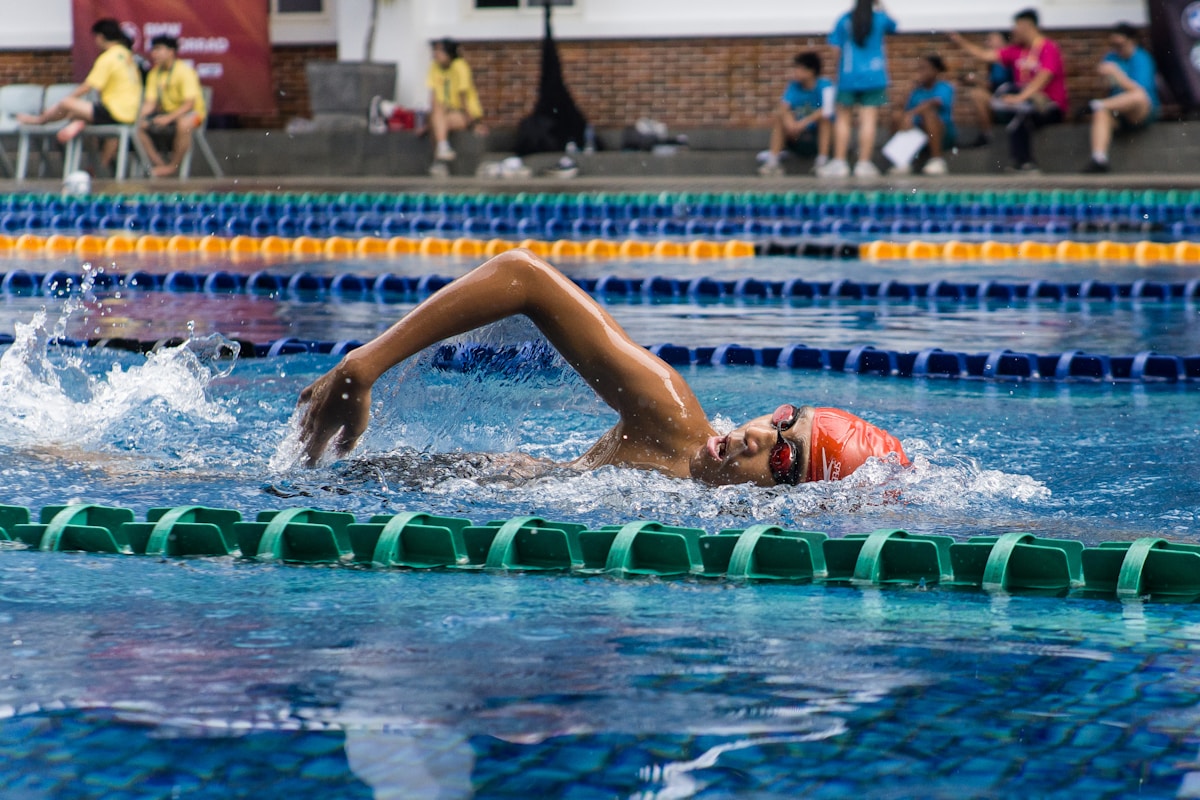
3000m Continuous Pool Endurance Swim: Build Your Aerobic Base
Session Overview
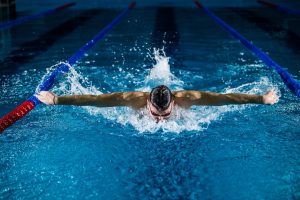
This 60-minute session builds your capacity to swim continuously at a steady, sustainable pace — an essential skill for any triathlete targeting 1500m or longer open water races. By completing 3000m without stopping, you develop the aerobic base and mental confidence to hold your form when the distance gets hard.
What You’ll Need
- Access to a 25m or 50m pool
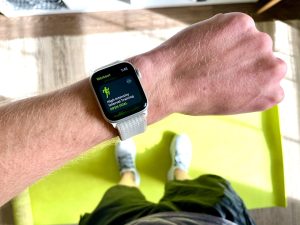
- Swim watch or poolside clock for pacing
- Pull buoy (optional, for later sections)
Warm-Up (10 minutes)
Swim 400m easy at a pace that feels comfortable — around RPE 3-4. Every 100m, alternate between full freestyle and 25m of catch-up drill to activate your shoulder rotation and high elbow catch. Finish with 4x25m building from easy to moderate effort with 15 seconds rest.
Main Set
Swim 3000m continuously at a steady aerobic effort (RPE 5-6). This is your target race pace or slightly slower — you should be able to maintain technique throughout. Break it down mentally rather than watching the metres tick by:
- 0-1000m: Settle into rhythm, focus on breathing pattern (every 3 strokes bilateral)
- 1000-2000m: Maintain pace, check form every 200m — long strokes, high elbow recovery
- 2000-3000m: Slightly negative split — last 500m should feel purposeful, not desperate
Cool-Down (5 minutes)
Swim 200m easy backstroke or gentle freestyle to flush lactic acid and allow heart rate to fall below 120bpm. Roll shoulders gently in the water before exiting the pool.
Coaching Notes
- The goal is completion, not speed — if you need to slow down to finish without stopping, do so
- Bilateral breathing (every 3 strokes) builds symmetry and helps you sight in open water
- Make it easier: break into 5x600m with 30 seconds rest and build from there
- Make it harder: hold your CSS pace for the entire 3000m using your critical swim speed from a 400m/200m test set
- Target heart rate: 120-145bpm for the main set
You Might Also Like
Training at your own risk. The information provided is for general guidance only and is not a substitute for professional medical advice. Please consult a doctor before starting any new exercise programme, especially if you have any pre-existing health conditions.