
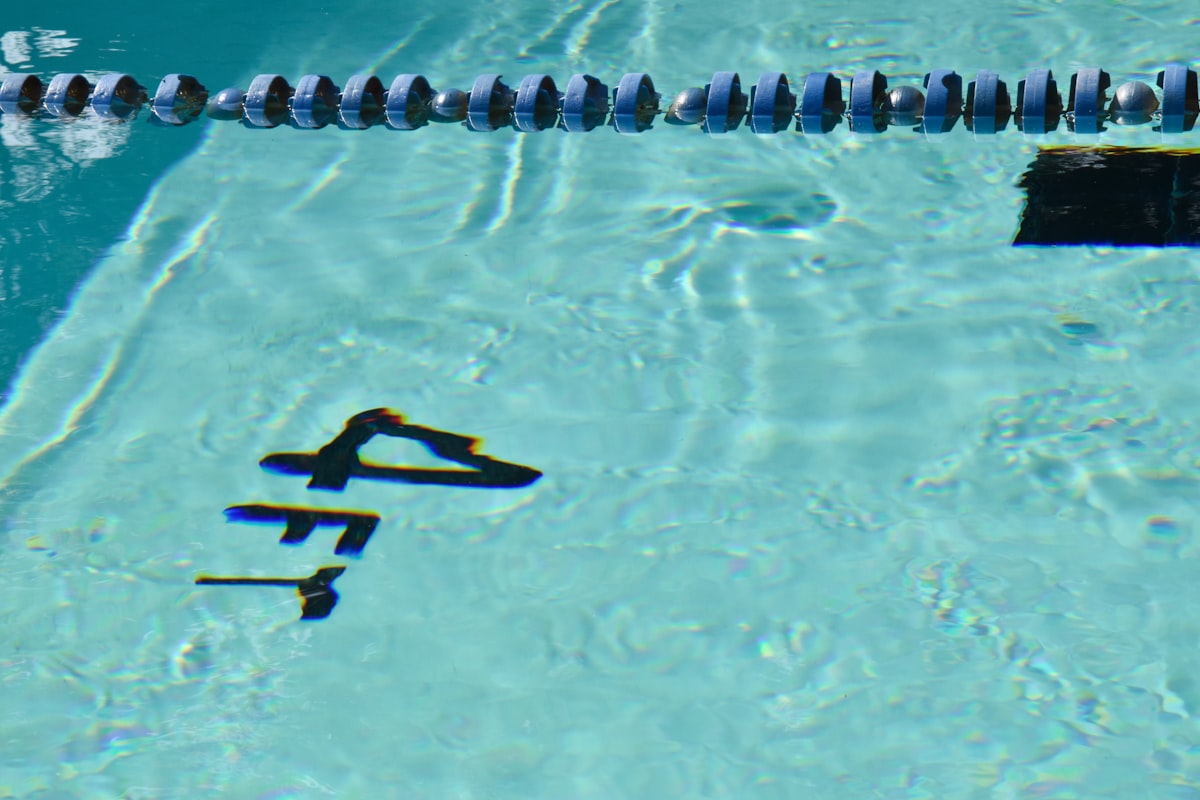
Mixed Stroke Recovery Swim: 30-Minute Active Recovery Pool Session
Session Overview
This gentle 30-minute pool session uses multiple strokes to promote active recovery after hard training days. By varying strokes, you work different muscle groups at very low intensity, flushing out fatigue while giving your freestyle muscles a genuine rest. Perfect for the day after a long ride, race, or hard running session.
What You’ll Need
- Access to a swimming pool
- Goggles
- Kickboard (optional, for kick sets)
Warm-Up (5 minutes)
Ease into the water with 200m of very gentle freestyle (RPE 2-3). There’s no target pace here — just move through the water and let your body wake up gently.
Main Set
All efforts at recovery pace (RPE 3-4 maximum). This is active recovery, not training — if your heart rate is climbing above zone 2, you’re working too hard.
- 4 x 50m backstroke: Focus on relaxed arm recovery and gentle kick. Backstroke is the ideal recovery stroke — it opens the chest, stretches the freestyle muscles, and requires minimal effort.
- 2 x 100m easy freestyle: Long, slow strokes. Count to 4 on each arm entry, exaggerating the catch-and-pull to work on technique at low intensity.
- 2 x 50m breaststroke: Wide, easy strokes. Breaststroke provides excellent hip flexibility benefits and uses the legs differently to freestyle.
- 2 x 50m freestyle with pull buoy: Arms only, removing leg effort entirely. Focus on early vertical forearm (EVF) and a strong pull through.
Cool-Down (5 minutes)
100m very easy backstroke, then float on your back for a minute with eyes closed. Let the water support you completely — this is a mindfulness moment as much as a physical one.
Coaching Notes
- The purpose is recovery, not improvement — resist the urge to push the pace on any length.
- Backstroke is particularly valuable after heavy cycling — it reverses the forward-hunched position and stretches hip flexors.
- If you don’t know breaststroke, replace those lengths with easy freestyle or sidestroke.
- Target heart rate should remain in zone 1-2 (under 65% of max heart rate) for the entire session.
You Might Also Like



Training at your own risk. The information provided is for general guidance only and is not a substitute for professional medical advice. Please consult a doctor before starting any new exercise programme, especially if you have any pre-existing health conditions.